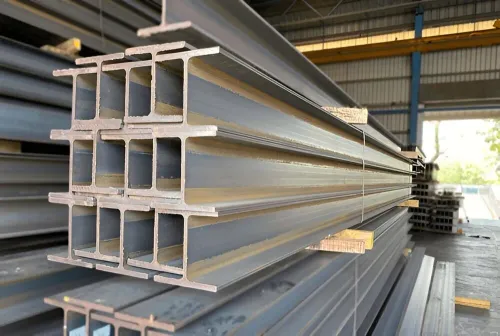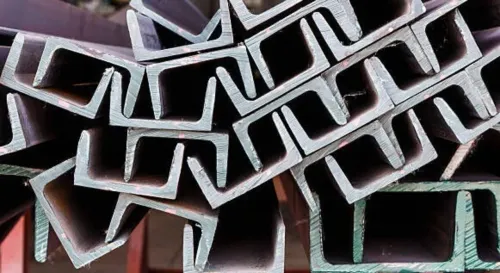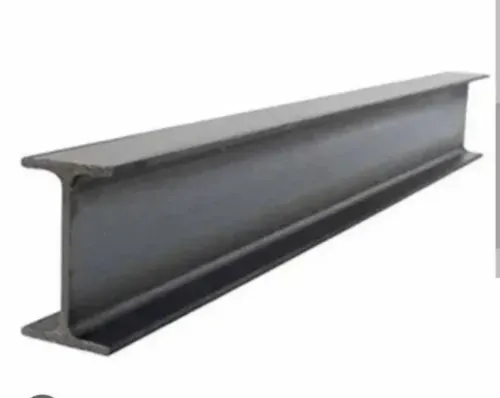

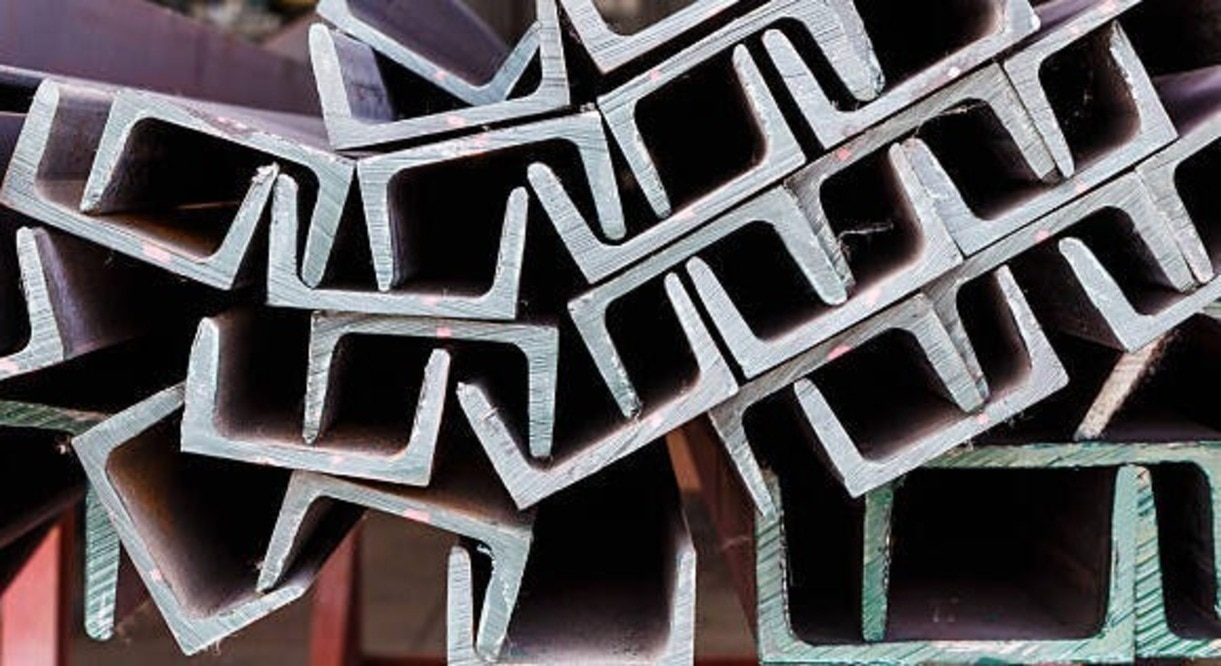
A channel is not automatically the best substitute for an angle, beam, RSJ section or box section. The right choice depends on load direction, torsion, connection access, section weight, corrosion exposure, available lengths and the amount of fabrication your Mumbai project can absorb.
Key takeaways
- Choose the profile before selecting the channel size.
- Request section dimensions, mass, tolerances and test documents.
- Compare delivered cost, not only the quoted price per kilogram.
- Check connections, corrosion exposure and fabrication limits before ordering.
Choose the Profile Before You Choose the Size
Choose the profile before the size: an open channel suits accessible connections and moderate bending, but a closed section wins when twisting, water ingress, or torsional stiffness controls the design.
For mild steel channels or other options in Mumbai, use this mild steel channel comparison:
| Profile | Best use | Main trade-off |
|---|---|---|
| Open channel (ISMC) | Beams, stringers, brackets and frames needing easy bolt or weld access | Lower torsional rigidity; exposed corners and ends need coating attention |
| Angle | Bracing, cleats, trusses and simple connection members | Efficient for axial force, but less stable as a standalone bending member |
| I-beam | Primary beams carrying strong-axis bending | Efficient bending shape, but awkward for side connections and weak-axis restraint |
| RSJ section | Older name for a rolled I-section used as a beam | Confirm the actual dimensions and mass; “RSJ” alone is not a purchase specification |
| RHS | Frames, columns and members facing torsion or exposed edges | Cleaner closed shape, but end plates, internal weld access and drainage need planning |
| SHS | Columns, posts and compact frames requiring similar strength about both axes | Connections and galvanizing vents or drains require deliberate detailing |
| Lipped channel | Light purlins, rails and secondary framing where low mass or nesting matters | Thin lips are sensitive to local buckling and are not a substitute for a heavy ISMC |
Choose an ISMC for a heavier primary member; choose a lipped channel for light-gauge secondary work. Select RHS or SHS when torsion, cleanability, or balanced buckling matters, and an angle when bracing or a simple cleat is the real job.
Check these before sizing:
- Compare mass per metre, section efficiency, required length, local-buckling risk, fabrication waste and Mumbai stock availability—not price per tonne alone.
- Allow clearance for bolts, welds and tools; an RHS can reduce stiffeners but complicate end connections.
- For channels loaded away from the shear centre, provide bracing, tie plates or diaphragms, or change to a closed section.
Specify the Channel Beyond an ISMC Trade Name
An ISMC 150 label does not fully specify what arrives at your workshop. Put the nominal size, actual section dimensions, standard, grade, length, quantity and delivery condition on the purchase order.
For buyers sourcing mild steel channels in mumbai, state whether you want a hot-rolled ISMC section or a cold-formed lipped channel. They are not interchangeable: an ISMC suits heavier primary members, while a lipped channel suits lighter framing where low mass and nesting matter.
| Purchase-order item | What to state | Why it matters |
|---|---|---|
| Section | ISMC size, or depth, flange width, web thickness and lip dimensions | Prevents substitution by a similar-looking profile |
| Standard | IS 808 for hot-rolled dimensions and properties | Fixes mass, root radii, tolerances and section data |
| Material | IS 2062 grade, such as E250 or E350 | Defines strength, weldability and impact-test requirements |
| Supply condition | Black, shot-blasted, primed or galvanised; straightened if required | Controls fabrication and coating work |
| Length and quantity | Exact cut length, number of pieces and permitted length tolerance | Prevents unusable off-cuts and disputes |
| Documents | Mill test certificate, heat number and chemical/mechanical results | Lets you verify the delivered steel |
List these details explicitly:
- Section mass per metre, area, centroid and radii of gyration from the current IS 808 table
- Straightness, end squareness and permissible dimensional tolerances
- Surface condition, cut-end treatment and any required coating system or dry-film thickness
- Bundling, piece marking and delivery location
A purchase order that says only “mild steel channel” leaves the grade, thickness, weight and acceptance criteria open to argument.
Compare Suppliers by Section Data, Documents and Delivered Cost
A quote of ₹ per kilogram is not a delivered-cost comparison. Ask every supplier to price the same cut list, because standard mill lengths can leave costly offcuts, require extra transport space, or force splice work.
| Compare this | Require from each supplier | Why it matters |
|---|---|---|
| Section data | ISMC size, mass per metre, depth, flange width, web thickness, root radius and tolerances | A trade name alone does not confirm the actual section |
| Material | IS 2062 grade, such as E250, E350 or E410, supply condition and impact-test requirement | Grade changes strength, welding procedure and price |
| Documents | Mill test certificate showing heat number, chemical composition and mechanical results | It links delivered steel to the specified grade |
| Length | Standard length, cut lengths, permitted tolerance, remnant ownership and packing method | Shortfall, waste and handling can erase a low unit rate |
| Delivered cost | Steel price, cutting, loading, freight to your Mumbai site, unloading, taxes and replacement terms | Compare the invoice total, not the headline rate |
For steel channel options in Mumbai, compare hot-rolled ISMC, cold-formed lipped channel, angle, beam and fabricated box sections against the same design requirement. Record mass, section efficiency, torsional behaviour, connection access, local-buckling risk and fabrication waste; a heavier ISMC can cost less after bracing and joints.
Bhartiya Metacast Private Limited can be included in the same quotation sheet, provided its offer states the section standard, IS 2062 grade, lengths, certificates and delivered charges. Have the designer check bending, shear, bearing, lateral-torsional buckling and connections under IS 800 before accepting the cheapest section.
Related products
 | Channels Channels (Mild Steel Channels) – Bhartiya Metacast Private Limited Bhartiya Metacast Private Limited offers high-quality MS Channels (Mild Steel Channels)... |
 | Mild Steel Angles (MS Angles) Mild Steel Angles (MS Angles) – Bhartiya Metacast Private Limited Bhartiya Metacast Private Limited offers premium-quality Mild Steel Angles (MS... View product → |
Match the Section to Its Structural Job
A channel’s job determines whether its open profile is an advantage or a liability. A hot-rolled ISMC section suits heavier primary work; a lipped channel suits lighter secondary framing, where low mass and nesting matter.
| Role | Main checks | Why the check changes |
|---|---|---|
| Beam | Bending, shear, lateral-torsional buckling, web bearing and crippling | An unrestrained flange can twist before the bending capacity is reached. |
| Column | Compression buckling about both axes, section classification and end restraint | The open section has unequal stiffness and needs careful bracing and connection detailing. |
| Purlin | Bending between supports, uplift, restraint and local flange buckling | Thin lipped sections can buckle locally under roof loads or wind reversal. |
| Frame | Member interaction, joint eccentricity, sway and connection design | Channel orientation changes the frame’s torsional response and load path. |
| Guide | Straightness, wear surface, clearance and local bearing | A channel may collect debris and bind moving parts if its opening faces the wrong way. |
| Bracket | Eccentric bending, shear, weld length and bolt-edge distances | The load rarely passes through the shear centre, so twisting can govern. |
| Stiffener | Local web bearing, weld transfer and fit-up | A short channel often strengthens a plate locally rather than acting as a beam. |
| Secondary member | Mass, spacing, corrosion access and cut-list efficiency | A lighter section is useful only if bracing and maintenance remain practical. |
Apply IS 800 checks rather than selecting by permissible bending stress alone. Obtain area, mass per metre, centroid, radii of gyration and tolerances from IS 808 or an approved mill table.
For channels for fabricators in mumbai, compare the required length, splice count, remnant waste and transport limits. In humid, chloride-influenced air, detail drainage, sealed ends where appropriate, weld cleanup and coating access before choosing the cheapest section.
Allow for Connections, Corrosion and Fabrication Constraints
A practical mild steel channel comparison starts with installed cost, not the quoted price per kilogram. A heavier ISMC can become cheaper than a lighter section if it needs fewer stiffeners, splice plates or connection adjustments.
An RHS reduces exposed edges and torsional movement, but its closed ends make bolted connections, internal weld access and inspection harder.
For channels for fabricators in Mumbai, check the cut list before accepting standard mill lengths. Long stock can create unusable off-cuts, higher handling charges and transport constraints; cut-to-length supply is worthwhile when it reduces remnant handling and site splices. Confirm the required grade, length availability and straightness before committing to a section.
Price the connection as part of the member. A channel’s open profile gives good access for bolts and welds, but its unsymmetrical shape increases twisting under eccentric loads. Add bracing where torsion matters, and check flange slenderness and web thickness for local buckling before replacing a heavier channel with a thinner lipped section.
Use a fabrication checklist that includes:
- Drain holes, edge rounding and sealed or accessible ends where water can collect
- Weld continuity, spatter removal, crevice control and clearance for tools
- Cut-end preparation, mill-scale removal and a specified surface-preparation grade
- Primer compatibility, dry-film thickness and inspection of corners, welds and coating holidays
- Venting, draining, distortion risk and handling limits before hot-dip galvanizing to IS 4759
Mumbai’s humidity and chloride exposure punish unsealed ends and hidden coating defects. Include transport length, lifting points, site access and any field cutting in the estimate; a cheap channel can lose its advantage after repainting, rework or an avoidable site splice.
Frequently asked questions
When should you choose a mild steel channel over a closed section?
Choose an open channel when connections remain accessible and moderate bending governs. Choose a closed section when twisting, water ingress or torsional stiffness controls the design.
What should you specify beyond an ISMC trade name?
State the channel standard, nominal designation, dimensions, mass per metre, steel grade, length, tolerances, surface condition and required inspection documents.
How should Mumbai fabricators compare steel channel suppliers?
Compare section dimensions, mass, tolerances, grade certificates, test reports, delivery terms, cutting charges, transport and the final delivered cost.
What fabrication constraints affect channel selection?
Check how the section will be connected, cut, welded, protected against corrosion and transported. Confirm that its geometry suits access, drainage, joint detailing and available fabrication equipment.
Related products
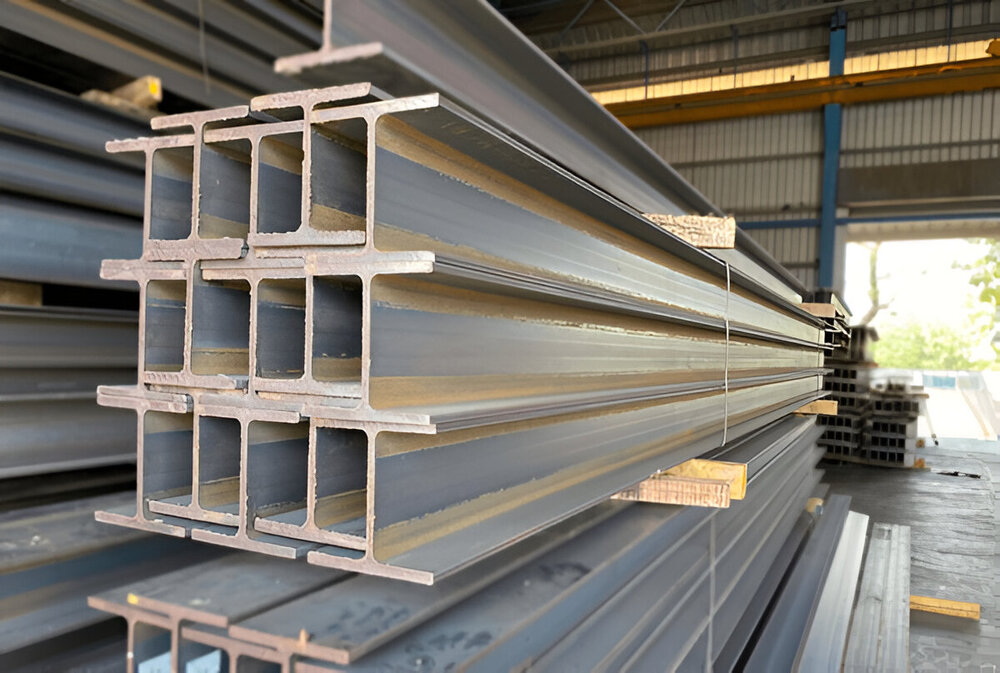 | MS Beams (Mild Steel Beams) – Bhartiya Metacast Private Limited Bhartiya Metacast Private Limited offers premium quality MS Beams (Mild Steel Beams)... View product → |
 | Tee Bars Stainless Steel Tee Bars – Bhartiya Metacast Private Limited Bhartiya Metacast Private Limited offers high-quality Stainless Steel Tee Bars designed... View product → |